ARCHIVEPAST INTERVIEWS
Sahari Orin Bells – Bells metal caster
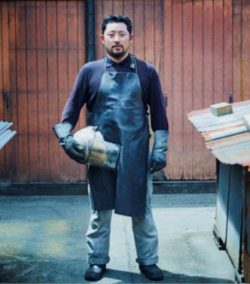
Kazuya Nanjo
(Nanjo Kobo Ltd.)
Certificated as Traditional craftsman of Kyoto in Art of “Kyo Buddhist altar equipment” (Kyo butsugu) & a metal caster of musical instruments.
Certificated as Traditional craftsman of Kyoto in Art of “Kyo Buddhist altar equipment” (Kyo butsugu) & a metal caster of musical instruments.
– Please could you tell us about your company?
Nanjo Kobo is located in Uji city, Kyoto and has a long history of more than 180 years of unique and typically Japanese sounds through its Buddhist bells and bowls. Present in the temples and shrines of the archipelago, they also produce the chariot bells for the famous Gion Matsuri. We are using the special type of metal called Sahari in all the bells and working thoroughly on every bell one by one.
– What is the kind of metal which you call “Sahari”?
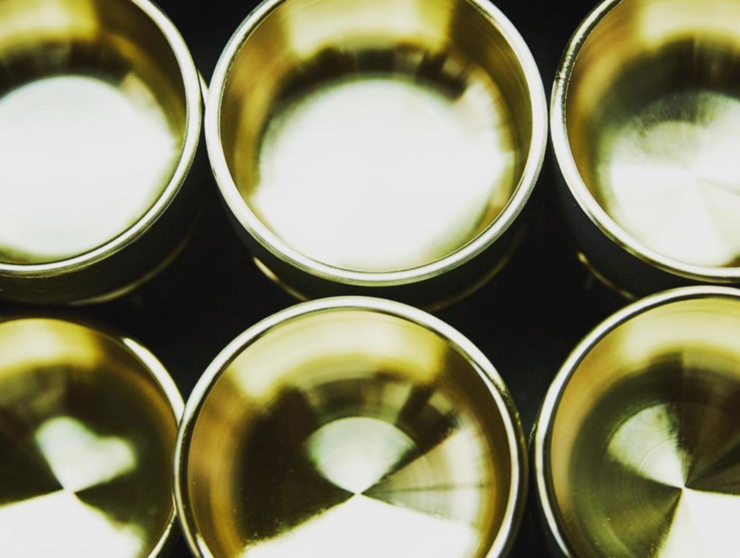
One of the main things that influence sounds of our bowls is the type of metal that we use. It`s called Sahari and it combines different types of metal together in one. It`s important to have a good metal in the beginning but it`s also important to create it the right way. So, Sahari is an alloy of two different types of metal – bronze and tin, but only alloys with very high ratio of tin. Because of this Sahari is a strong but flexible metal. And the color of them is also different, wild bronze is more reddish, but Sahari is closer to the gold color which looks more elegant.
– Wow! And do you have any secrets of making your product?
The first step of process is melting Sahari and after that putting it into the special form to create the shape. We make the mold of right shape from the clay and after making the shape we dry it on the sun naturally.
Once this mold is prepared, we put it in the special oven which is heated using firewood and the unique composition ratio of the factory that has been passed down from generation to generation. The temperature of metal become more than 1300 degrees, and temperature of oven could be around 2000 degrees, therefor it`s getting hot in the workshop up to 60 degrees. When everything brought to the certain temperature, we take out molds from the oven and let them cool a little bit and the same time we have to prepare alloy to be able to pour it into these molds. After that we are waiting to bring the right temperature of the metal, it`s really important to find the right moment of right temperature of both stuff alloy and mold.
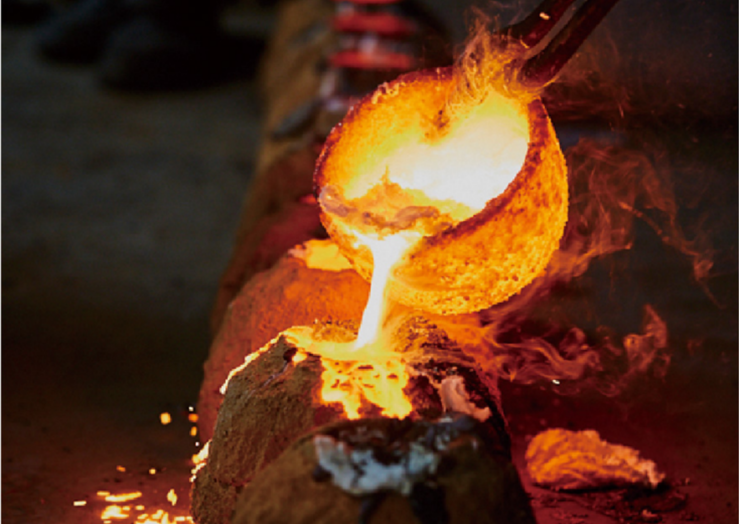
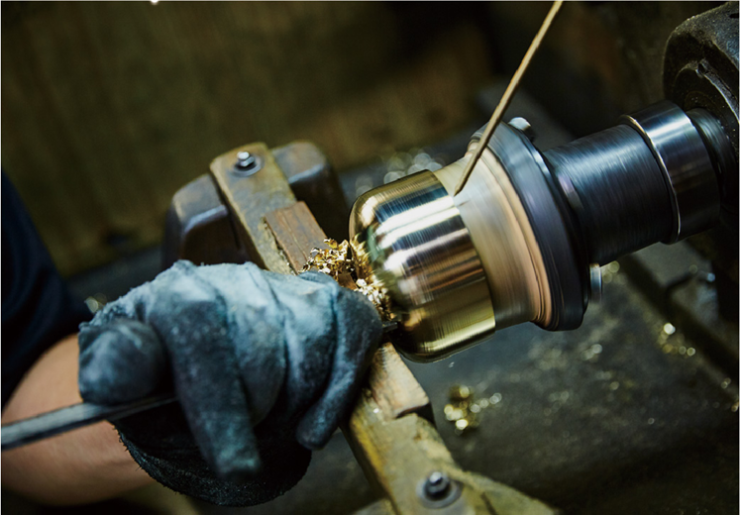
And the next important step of the process is choosing the right time and the right speed of pouring metal inside the mold. It will influence on how good these bowls will look and sound. And here is the point where real craftsmen express themselves. After some time, when it became colder, we break apart the mold and take out our bowl. From this moment we start to make it shiny and beautiful by grinding it.
– I heard that you are the only workshop in hole of Japan which use wood for heating molds, is that so?
Yes, that`s right. And one more thing that we are proud of is that we almost don`t have waste because we reuse all materials such as clay and metal.
– Is it an everyday process and how many bowls do you do?
No, we make it usually 3 times per month, about 200-250 bells per time.
– Could you tell me more about your new bells?
In 2019 we created a new brand of small bells. The reason was that nowadays not many people use bowls for Buddhism rituals, I mean that it`s not popular in everyday life, but we also want to share this clear sound with people through different ways, not only in temples. New style of small bells is out of religion context, and everyone can use it at home just hearing the sound during yoga or meditation. Recently it really became popular because when you listen to small sound near your ears it helps to concentrate on what you want and feel your inner side better. Also, we have a lot of different collaborations with other sound artists and composers.