NEWS
-
08/23/2022
NEWS New Interview – Ai Kawamura, Japanese painter -
07/29/2022
NEWS New Interview – FACTORY900 Eyewear Brand -

08/23/2022
FACTORY900 – Eyewear Brand
-
05/27/2022
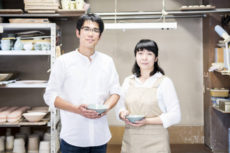
Soryu Gama – Pottery Studio
-
04/19/2022
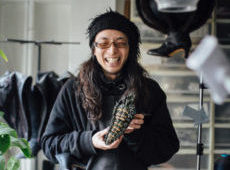
Kobayashi Seika – Shoes Maker
PICKUP MEISTERINTERVIEW OF ONE OF THE STUDIO MASTER

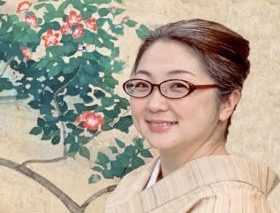
Ai Kawamura
(Nihonga Painter)
Ms. Ai Kawamura is a Japanese painter of what is called Nihonga.
Ms. Ai Kawamura is a Japanese painter of what is called Nihonga.
– Ms. Kawamura, thank you for joining me for this interview. First, could you please introduce yourself?
My name is Ai Kawamura and I am a Japanese painter of what is called Nihonga. I use traditional Japanese painting techniques and apply them to my work in a more contemporary way. I have also recently worked on some abstract paintings but always following the Nihonga spirit and techniques.
I’m established in Fukuoka, but I’ve been showing my art during exhibitions and art fairs all over Japan and overseas, for example, in Korea, Taiwan, Paris, and Florida.
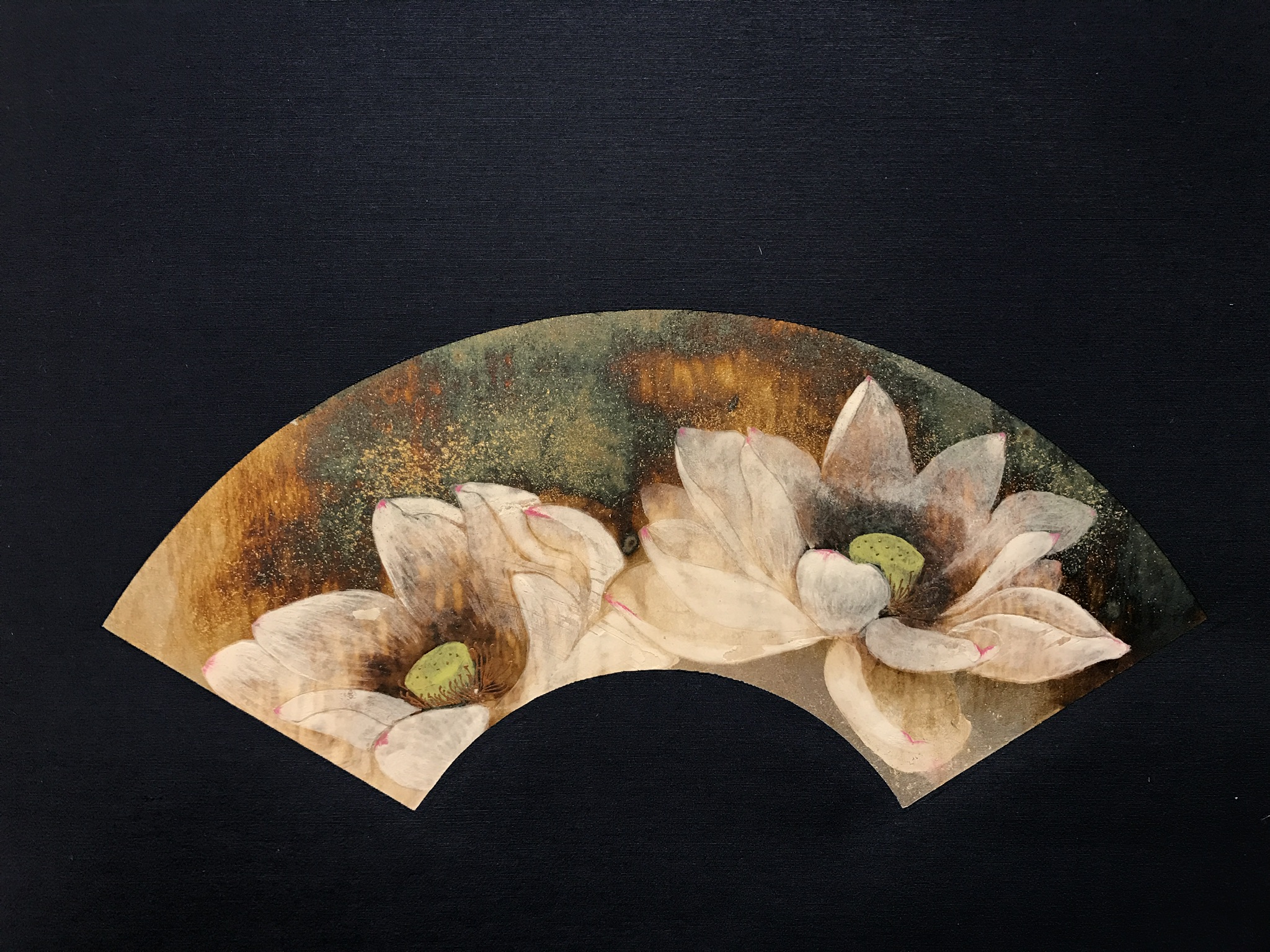
– It is difficult to translate what “Nihonga” is in English, as it literally means « Japanese paintings ». Could you try to explain to us what this form of art is about?
Nihonga is an art form following traditional Japanese painting techniques with a history of more than 1000 years.
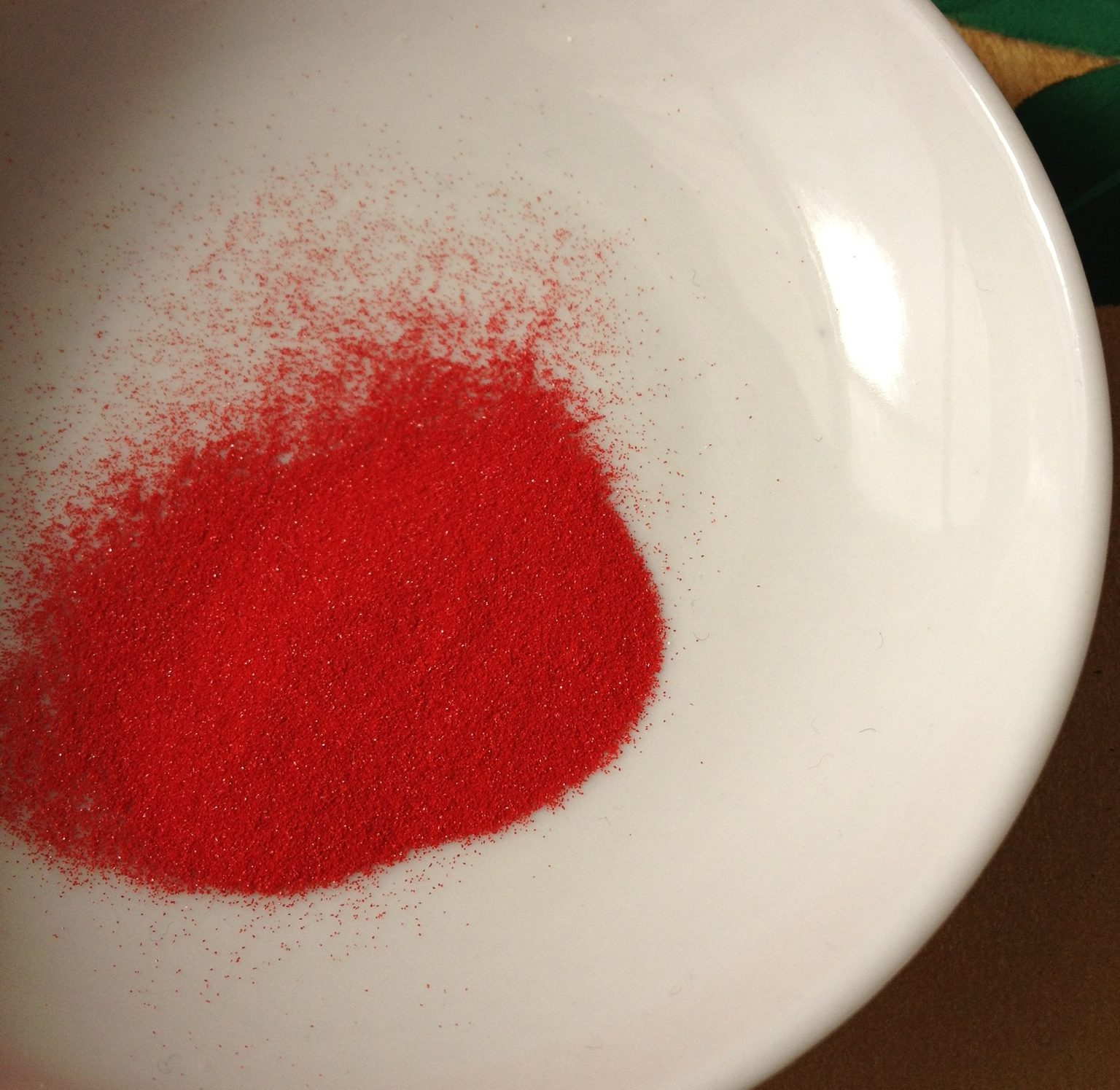
We have a particular way of using mineral pigments. We mix the pigments with an animal glue called nikawa. We mix the pigments and the glue before applying them to the paper. The base of the painting is usually washi paper or wood.
Nihonga paintings are often based on Japanese aesthetics and traditions, for example, seasonal themes with seasonal flowers. I also think that colors are really important in Nihonga painting styles. As of today, the sensibility behind Nihonga is a little freer. Some paintings are more abstract or are inspired by illustration techniques.
– When and how did you start being interested in Nihonga?
I’ve loved drawing since I was a kid. I wanted to become an elementary school art teacher to continue painting. But as I was in college, my teacher told me to take the Nihonga class. For some reason, the teacher said that the way colors were used in Japanese paintings would probably suit me.
In fact, I had never heard of Nihonga paintings before. But when I actually saw it for the first time, I realized that my favorite painters, such as Hokusai and Ogata Korin, came from Nihonga. So I took the class and I discovered a very deep world. This is why I kept studying this form of art to this day.
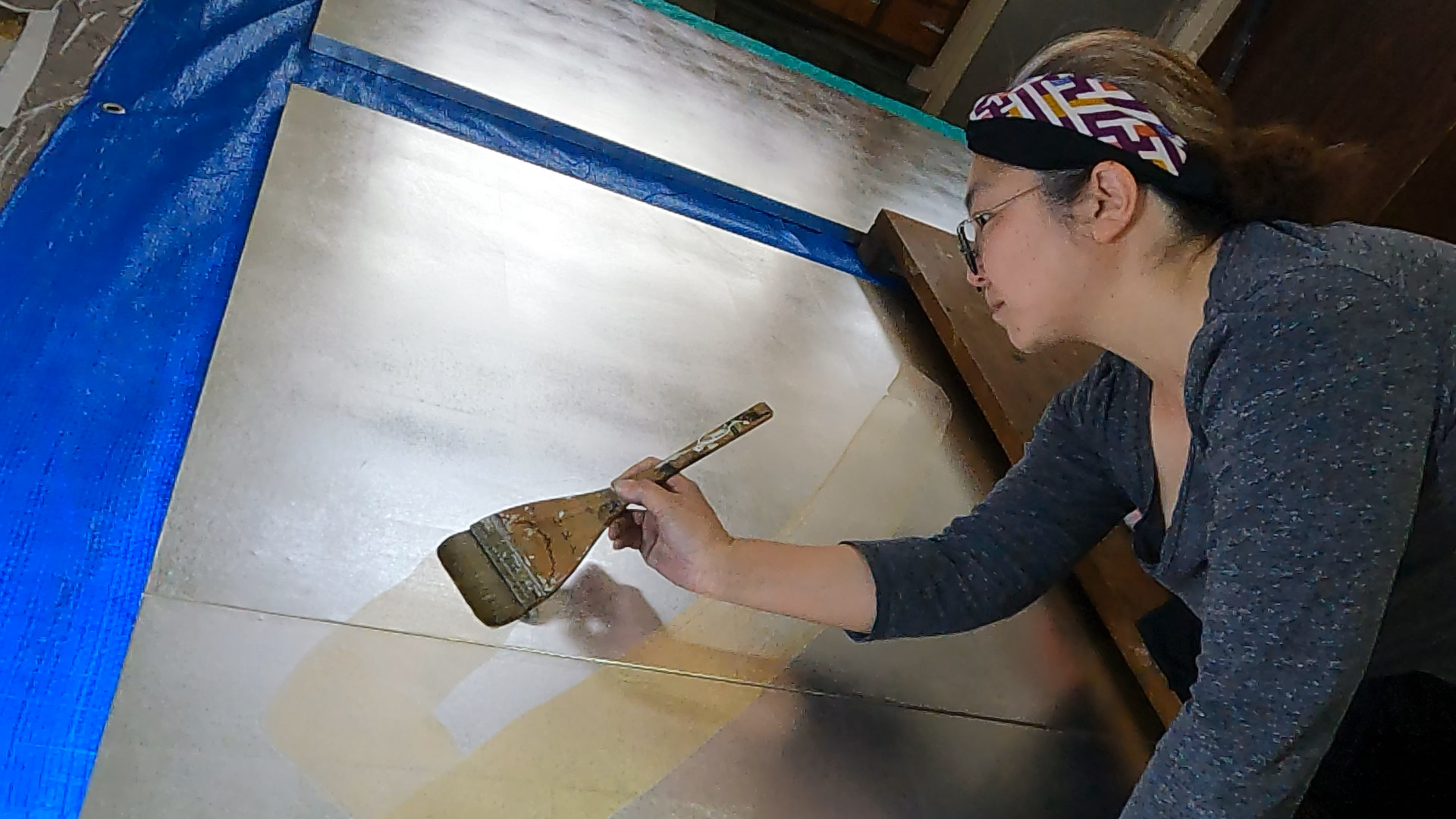
– I noticed that you have been using yaki-haku in your art. What is it exactly?
Yaki-haku is a traditional Japanese-style painting technique that I really like. It is an old technique that has been used in Japan for over 400 years.
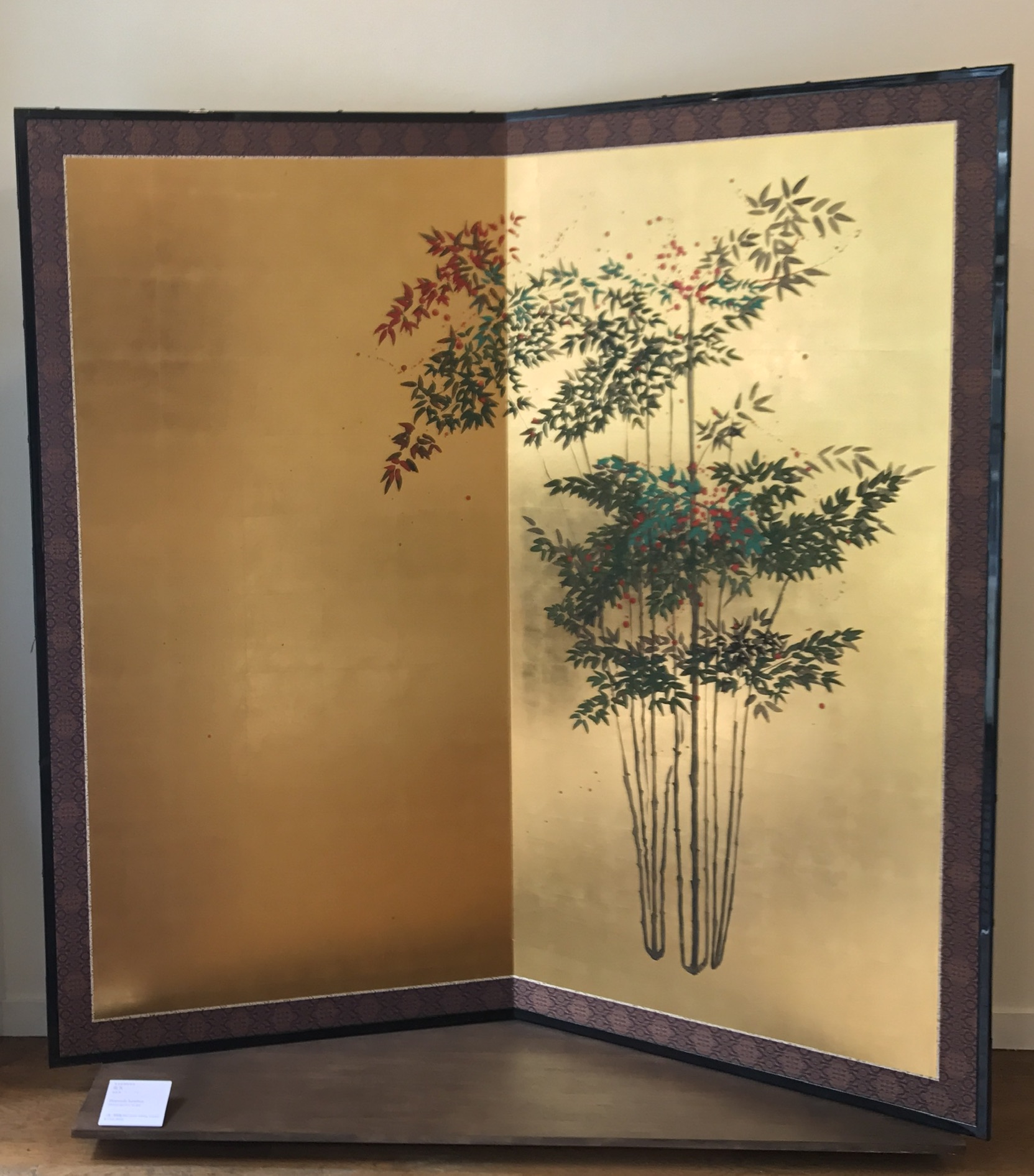
It consists in using silver leaves. We first stick the leaves on the paper. Then, those silver leaves are sulfurated through heat created by applying sulfur powder. When sulfurated, the silver turns black. It is a good technique to make the colors look more vibrant. It also gives the art a wabi-sabi feel.
– You just mentioned wabi-sabi. What does it mean?
It is a very difficult concept to explain with words. As an artist, I aim for my work to have this wabi-sabi feel.
First, wabi-sabi is something very simple and imperfect, but still very charming. There is also the concept of time behind it. The effects of time make the piece of art more and more beautiful. There is beauty in something that is simple, but that will change slowly as time passes.
It is really difficult to explain it in a few words. I think it is a very Japanese concept, to feel the beauty that comes from the object itself.
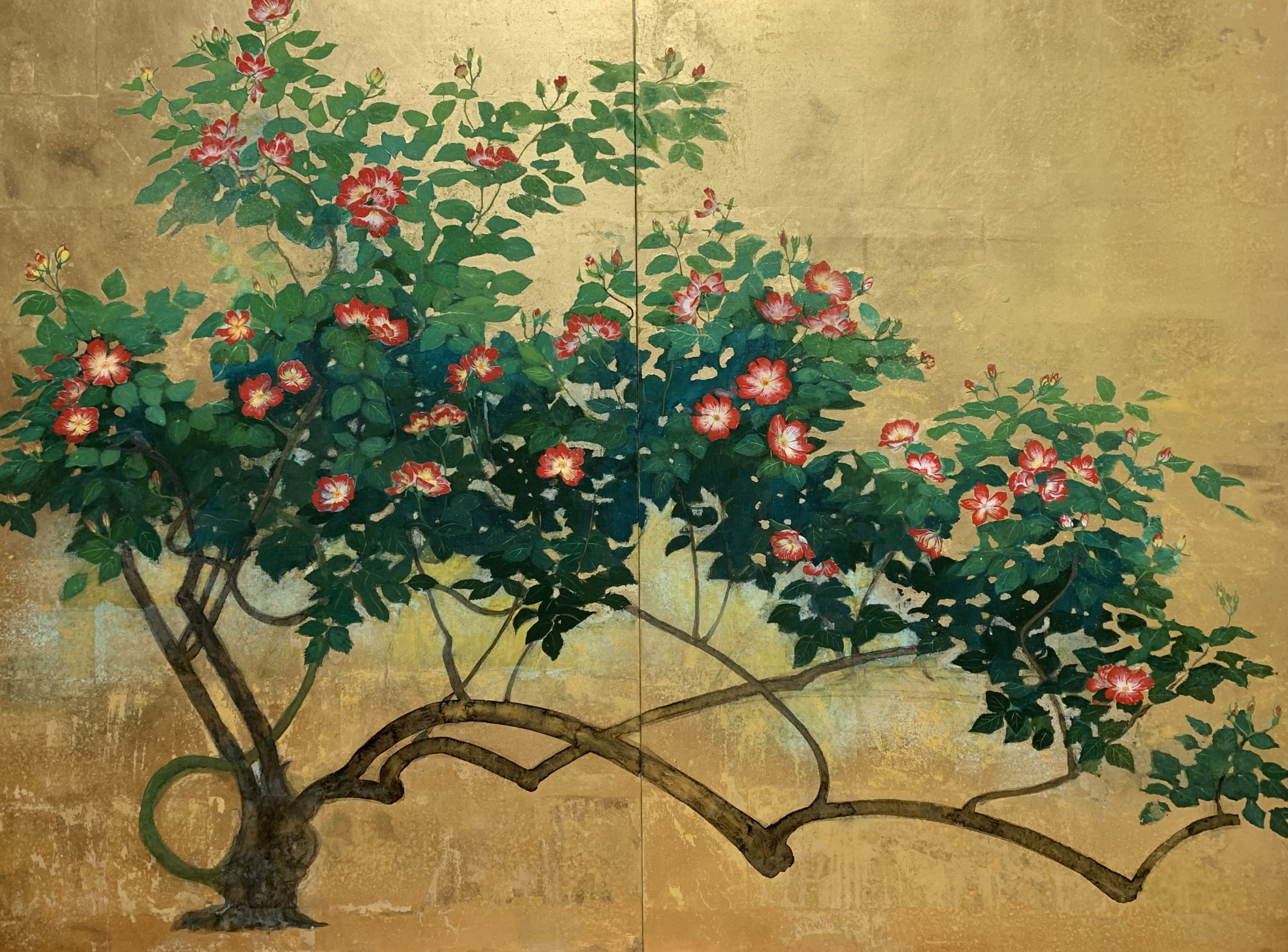
– You mentioned that you have been abroad to introduce your art a few times. I think foreigners are very attracted to Japanese paintings. Why do you think is that?
I think that there is a uniqueness in Japanese paintings. Some time ago, I went to America for a performance. I mixed the paint with my fingers on a plate. Just by doing that I could see some interest.
I think that foreigners are really interested in the spiritual aspect behind the process of painting. That’s probably one of the biggest differences between oil paintings and the charms of Japanese art.
– What is special about your art?
For me, the use of colors is very important. This is why I really enjoy the yaki-haku techniques as mentioned earlier. The celebration of the passage of time, wabi-sabi as we talked about previously, is also very important for me.
I am also really inspired by the kachō fūei philosophy, which conveys the beauties of nature and the harmony between nature and man. I really want to translate in my art the heart of Japan and the aesthetic sense of the Japanese people.
It can take a long time for me to finish a piece of art. I can make a drawing, for example of roses, but leave it on the side for years if I feel like I can’t convey the emotion well enough. After a few years, I will draw them again. Once I am satisfied with the feeling of the drawing it can take around 2 months to actually finish the painting.
– As you mentioned at the beginning of the interview, you live in Fukuoka. Could you tell us a little more about this city?
Fukuoka is a city with a very old history. But it is not like Kyoto, which still has old buildings and where the old town remains. Fukuoka is always changing and evolving. It is really close to other Asian countries such as Korea and Taiwan, so it is a doorway for change. In Fukuoka, there is for example the Dazaifu Tenmangu. It is a very important shrine in Japan that you should visit if you are in the area.
TO STUDIO
ARCHIVE
PAST INTERVIEWS
-
08/23/2022
NEWS New Interview – Ai Kawamura, Japanese painter -
07/29/2022
NEWS New Interview – FACTORY900 Eyewear Brand -
08/23/2022
FACTORY900 – Eyewear Brand
-
05/27/2022
Soryu Gama – Pottery Studio
-
04/19/2022
Kobayashi Seika – Shoes Maker